Energy Production: Powering the Future of Texas
Information
This discussion will be led by Tracye McDaniel, President of TIP Strategies.
Tracye was the Principal in Charge for the foundational 2019 Economic Development Strategic Plan for Brownsville. That plan established the five key focus areas the city still prioritizes today: Developing a pipeline for aerospace and energy jobs, attracting space and sustainable energy firms, supporting local business growth via the eBridge Center, preparing the port and industrial parks for heavy use, and improving Brownsville's brand as a "City of the Future".
William Dietrich, CEO of Port of Brownsville
The Port of Brownsville is currently undergoing a massive transformation, with several multi-billion dollar industrial and infrastructure projects running simultaneously.
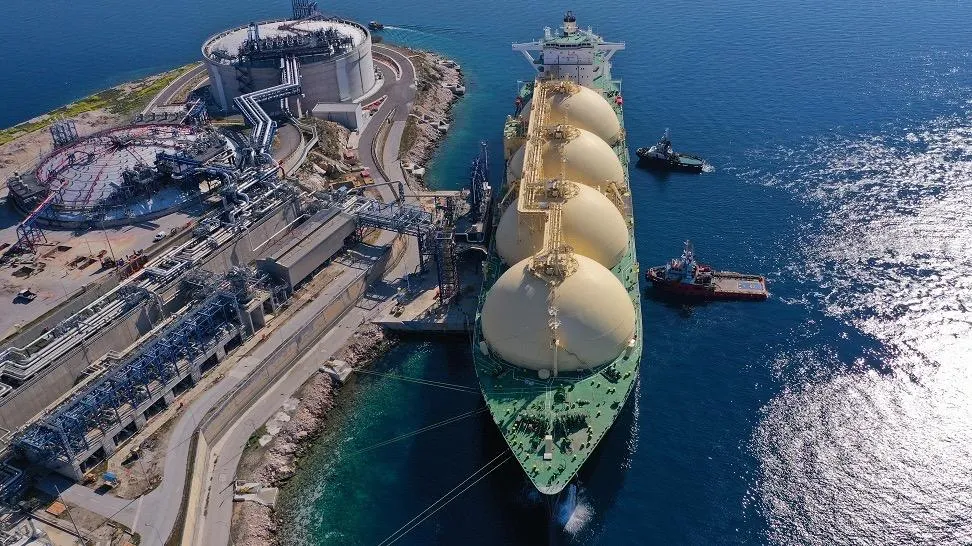
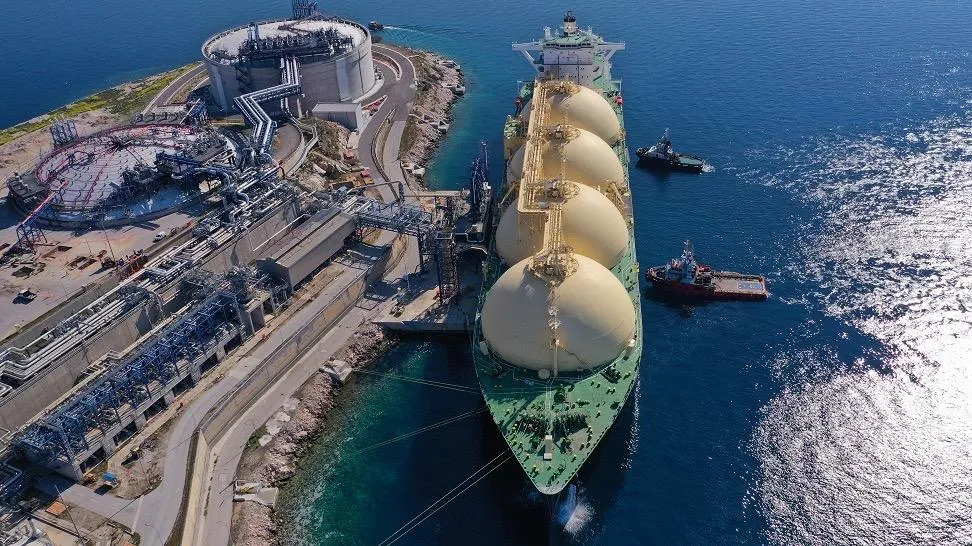
1. Rio Grande LNG (Liquefied Natural Gas). This is currently the largest private infrastructure project in Texas history. Led by NextDecade Corp. and Bechtel, the project is currently in high gear. In March 2026, federal regulators cleared NextDecade to launch a major expansion, bringing the total capacity under construction to 30 million tons per year. The project is seeking to expand its workforce to 7,500 people to support 24/7 construction, aiming for late-stage commissioning by the end of 2026.
2. Ship Channel Deepening (Brazos Island Harbor Project). A critical infrastructure effort to modernize the port's capabilities for global trade. The goal is to deepen the Brownsville Ship Channel from 42 feet to 52 feet. The extra depth allows the port to accommodate larger, heavier vessels (like the New Panamax class), significantly increasing the volume of cargo—especially steel and energy products—that can be moved.
3. The port is finalizing a 118-acre business park to capitalize on "nearshoring" (manufacturing moving closer to the U.S. from overseas). Ready-to-Use Lots: The park offers 17 lots with full utility access and direct connections to the port’s overweight cargo corridor and three Class 1 railroads. It is designed for light-to-medium manufacturing, particularly companies looking to move goods between the U.S. and Mexico.
4. In February 2026, port leadership confirmed they are spearheading a highly competitive high-tech shipyard project. It is part of a long-term vision to bring advanced maritime manufacturing and more high-paying jobs to the Rio Grande Valley.
5. The port serves as a vital logistics hub for the nearby SpaceX Starbase facility (15–17 miles away). It provides specialized transportation for oversized rocket components and equipment arriving by sea.
Tom Ramsey, Chief Commercial Officer, America First Refining
The America First Refining (AFR) project is a major new industrial development at the Port of Brownsville, Texas, designed to be the first "greenfield" (built from scratch) oil refinery in the United States in over 50 years.
Announced in March 2026, the facility is a key part of the "America First" energy agenda, aimed at achieving energy dominance by processing domestic resources into cleaner fuels. The refinery is specifically engineered to process American light shale oil (47° API) from regions like the Permian Basin. Historically, many U.S. refineries were built to handle heavier imported crude, creating a mismatch as domestic shale production surged. This new facility will handle approximately 60 million barrels per year (roughly 160,000 barrels per day) of 100% domestic crude.
The economic Impact is estimated to improve the U.S. trade balance by $300 billion over the life of its 20-year agreements. Construction is scheduled to officially break ground in 2026, and fully operational by 2029. The Regional Impact of the refinery will be located on more than 240 acres within the Port of Brownsville, a deep-water foreign trade zone. It is expected to create roughly 500 direct, high-paying jobs (with salaries ranging from $80,000 to $100,000) and thousands of indirect jobs during its construction phase.